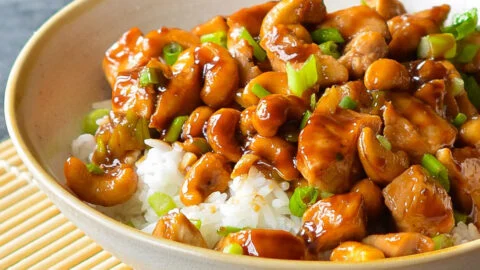
At The One General Trader we watch food trends closely — not because we sell cashews in cooking (though we do), but because we care about how an ingredient can change the way people cook, eat and think about food. Lately chefs and home cooks aren’t just snacking on cashews — they’re using them as a fundamental building block in savory sauces, dressings, vegan cheeses, plated entrees and even as crunchy finishing touches. Here’s why cashews are having a moment, how professionals use them, and practical recipes you can try tonight
Table of Contents
1) The culinary case for cashews: texture, flavor and versatility
Cashews are special because of their fat and starch composition. When soaked and blended, they turn silky and velvety — a neutral “blank canvas” that carries other flavors while contributing a rich, creamy mouthfeel. Toasted whole, they give crunch with a buttery note that’s less aggressive than almonds or peanuts.
That unique exchangeability — cream or crunch — is why chefs are swapping traditional dairy creams and heavy butters for cashew-based solutions in both classical and modern kitchens. You get richness without dairy’s flavor footprint, and a plant-based product that holds emulsions and glazes beautifully.
Practical examples in pro kitchens include cashew cream as a base for sauces, cashew purées in dressings, and chopped toasted cashews as garnish for plated protein and salads. Chefs at recipe outlets and culinary magazines have featured cashew-based dressings, cashew-sambal sauces, and cashew creams used as vegan alfredo or “cheese” sauces.
2) Market momentum: chefs follow demand for plant-based, nut-driven cuisine
Macro trends support the culinary shift. Demand for nut-based dairy alternatives and nut ingredients continues to grow as plant-forward eating expands. The global nuts market has been growing strongly with increased use in nut-based milks, butters, sauces and ready-to-eat foods — categories chefs and food entrepreneurs are actively developing for menus and retail. Industry analysts report the global nuts market rose substantially in recent years as plant-based and health-conscious eating became mainstream.
That commercial tailwind gives chefs the confidence to experiment with cashews in cooking at scale (restaurant kitchens, meal-prep businesses, catering), because consumers increasingly recognize and accept nut-based textures and flavors as fine-dining level components.
3) Signature culinary uses chefs rely on (and how to make them)
Below are the major uses you’ll see in pro and home kitchens — with simple guidance so you can replicate them.

A. Cashews in cooking: Cashew cream — the universal dairy substitute
What it is: Soaked cashews blended with water until ultra-smooth. It can be thin for dressings or thick for “cheesy” applications.
Why chefs use it: Silky emulsion, neutral flavor, stable heat tolerance compared with some other plant creams.
Basic method: Soak 1 cup raw cashews in hot water for 15–30 minutes (or overnight for extra silkiness). Drain, blend with ¾–1 cup fresh water (adjust for consistency), a pinch of salt, and a squeeze of lemon. Strain if you want extra-smooth.
Use cases: Alfredo sauce, creamy soups, mousse bases, vegan panna cotta. Countless chefs and food creators publish cashew cream recipes as a core technique.
B. Cashew “cheese” and savory spreads
What it is: Blended cashews with nutritional yeast, lemon, garlic and salt (and sometimes turmeric or roasted peppers).
Why chefs use it: Melts/stands in baked applications, provides umami backbone, turns dips into show-stopping components.
Pro tip: Roast the cashews first for deeper flavor; hydrate only enough to blend (less water = firmer “cheese”). Recipes and chefs have used cashew cheese in nacho sauces, vegan cheese boards, stuffed pastas and as a component in plated entrées. Nora Cooks
C. Sauces & emulsions — from savory to spicy
Cashews are perfect for making emulsified sauces (e.g., cashew–sambal whip, cashew béarnaise, cashew-garlic cream) that stick to proteins and vegetables. Bon Appetit and other outlets have published chef-driven cashew-sauce recipes that show how spicy, acid, and soy/umami components pair with cashew cream to create modern, craveable sauces.
D. Crunch & finishing: toasted cashews as garnish
Toasted, salted, or spiced cashews add texture and a toasty depth to salads, grain bowls, and fish or chicken dishes. Use coarse chop for a nut-crust on seared tuna or as a crunchy contrast on silky curries.
4) 10 chef-ready cashew recipes and ideas (shoppable, replicable)
Below are tested recipe concepts with short how-to notes — each idea is kitchen-friendly and scales from home cooks to restaurant prep.
- Velvety Cashew Alfredo — Blend soaked cashews + water + nutritional yeast + garlic + lemon; heat with pasta water to emulsify. (Use for pasta, gnocchi.)
- Cashew-Sambal Sauce — Whip soaked cashews with sambal, soy, lime for spicy dipping sauce; excellent with roasted broccolini.
- Turmeric Cashew Chicken (or Vegan Tofu version) — Marinate protein, cook, and finish with warm cashew cream spiked with turmeric and ginger. (Bon Appetit shows similar chef recipes.)
- Whipped Cashew “Cheddar” Nacho Sauce — Cashew + roasted red pepper + turmeric + smoked paprika; warm and pourable. Nora Cooks
- Cashew Caesar Dressing — Cashew cream + capers + lemon + anchovy (or miso for vegan) for a creamy, clingy dressing.
- Green Cashew Pesto — Replace pine nuts with raw cashews in pesto for creamier mouthfeel; great on grilled vegetables.
- Cashew Yogurt Parfait (savory) — Thicker cashew cream layered with herbed cucumber, za’atar, roasted tomatoes for brunch service.
- Crushed Cashew Crust for Fish/Tofu — Pulse roasted cashews, panko, lemon zest; press on protein and bake.
- Cashew-Infused Salad Topping — Toasted cashews tossed in soy-sesame glaze as finishing garnish for cold noodle salads.
- Cashew Butter & Spice Rub — Blend cashew butter with smoked salt and spices to create a paste for roast vegetables or meats.
These are not theoretical — major food publications and chefs have popularized many of the above techniques; examples range from cashew dressings in Bon Appetit pieces to numerous cashew cream recipes shared by vegan chefs worldwide.
5) Why cashews beat other nuts in many savory applications
- Neutral creaminess: Cashews blend into a more neutral, less “bitter” cream than walnuts or almonds.
- Mouthfeel: The starch-to-fat ratio yields a smooth, sticky emulsion that holds together in sauces.
- Toasting benefit: Cashews toast to a rich, buttery aroma without developing the astringency that some nuts do.
All this makes them chefs’ preferred choice when a silky texture is key.
6) Nutrition & menu positioning: chefs can market taste + health
Using cashews in cooking lets chefs position dishes as indulgent and health-forward. Cashews supply protein, healthy unsaturated fats, magnesium and copper — messaging that resonates with health-conscious diners. Industry reports show rising consumer interest in nut-based products and plant-based menu items, so cashew-centric dishes often perform well both on taste tests and sales.
7) Kitchen-scale tips (professional and home cooks)
- Soaking: For silky cream, soak in hot water 15–30 minutes; longer yields silkier results.
- Blending: High-speed blender + small addition of hot water yields best texture. Strain through fine mesh for ultra-smooth sauces.
- Roasting: Low-and-slow (140–160°C / 285–320°F) brings out nutty aroma; avoid high-temperature burns.
- Preservation: Cashew creams keep 3–5 days refrigerated; freeze in ice cube trays for portioned use.
- Allergy note: Always label menus/dishes for nut allergy; consider cross-contamination in the kitchen.
8) Case studies & proof points from the culinary press: cashews in cooking
Professional outlets document the cashew renaissance:
- Bon Appetit has published cashews in cooking-based sauces and plated recipes (cashew-sambal sauce, whipped cashew applications). Chefs use cashew cream as a versatile sauce base and finishing emulsion.
- Multiple cooking blogs and chef sites provide cashew cream and cashew-cheese recipes used in restaurants and meal-service businesses, demonstrating replicable techniques and menu viability.
9) Business reality: chefs, caterers and product developers love cashews because they scale
cashews in cooking-based components can be made in large batches: cashew cream, cashew butter, and flavored nut crunches all scale for catering or food-manufacturing. Market research shows growing demand for nut-based ingredients in product development — a trend that supports menu innovation, packaged products, and export opportunities for suppliers.
10) How The One supports chefs and home cooks
At The One General Trader we supply high-quality Binh Phuoc cashews in cooking optimized for both chefs and home cooks:
- Consistency: Large, whole kernels with stable roasting profiles.
- Traceable origin: Sourced from Bình Phước for predictable flavor and texture.
- Variants: Raw kernels for cream, roasted for crunch, flavored lines (garlic, seaweed) for finishings.
- Bulk & packaging options: We offer chef-sized packs and portion-friendly retail sizes.
If you’re a chef or product developer, we can work on custom roast profiles or private-label options to match your menu and production needs.
11) Try this: Chef’s Cashew Cream Alfredo (quick recipe)
Ingredients (serves 4):
- 1 cup raw cashews (soaked 30 min in hot water)
- 1 cup reserved soaking water + ½ cup for blending
- 2 garlic cloves, roasted
- 2 tbsp nutritional yeast (optional)
- Salt & black pepper to taste
- Juice of ½ lemon
- 400 g pasta cooked al dente
Method: Blend soaked cashews + water until ultra-smooth. Heat pan, add cashew cream, roasted garlic, nutritional yeast, and simmer 2–3 minutes until silkier. Toss with pasta and finish with parsley and cracked pepper. Serve immediately.
This simple recipe shows how cashews in cooking: cream can replace heavy cream while delivering fold-worthy texture and chef-level mouthfeel. Variations: add roasted mushrooms, chili flakes, or lemon zest.
Final thoughts: cashews are not a trend — they’re a toolkit
Cashews are no longer only “the snack in the bowl.” They’re an ingredient category chefs and home cooks rely on for texture, flavor, and menu creativity. The nut’s versatility bridges vegan, gluten-free and traditional cooking in ways few single ingredients can. Backed by market momentum and abundant recipe experimentation across professional publications, cashews are now central to modern culinary practice.
At The One, we’re excited to supply chefs and home cooks with premium Binh Phuoc cashews — the kind that blend silky, toast well, and elevate dishes from good to unforgettable.